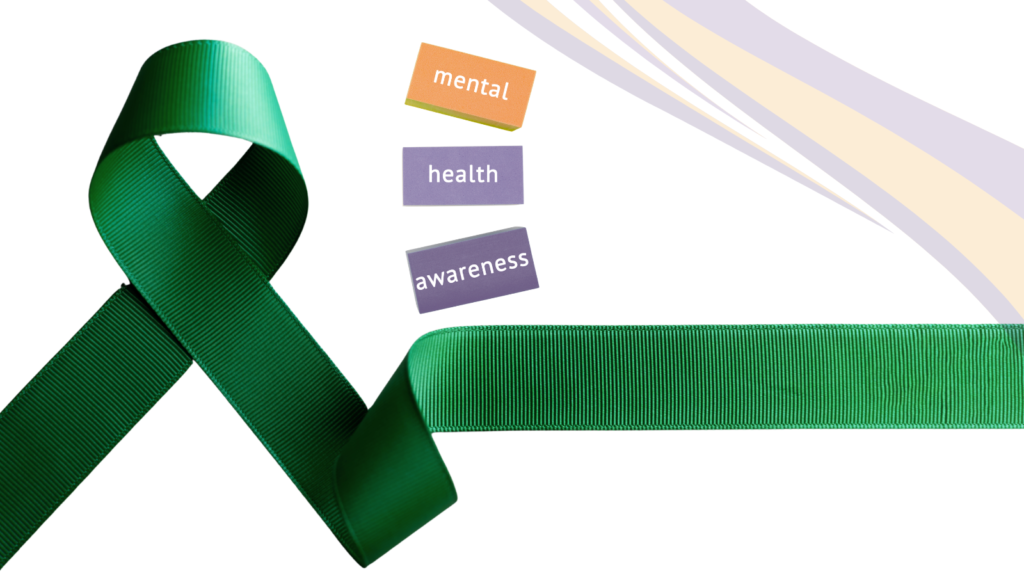
Mental Health Awareness Week: Why culture and language matter in mental health support
At Silent Sounds Communications, we believe communication is far more than words. It is identity, trust, understanding, and human connection. During Mental Health Awareness Week, it is important to recognise that mental health cannot be fully understood through a one-size-fits-all approach. Culture, language, lived experience, and community all shape how people experience, express, and seek support for mental health challenges.
In a multicultural society such as the UK, assumptions can unintentionally become barriers to care. What may appear as reluctance to engage, emotional distance, or avoidance in one cultural context may actually reflect respect, stigma, trauma, or deeply rooted cultural values in another. Without cultural understanding and accurate interpretation, individuals risk being misunderstood at the moments they most need support.
Mental health awareness must therefore include cultural awareness.
The hidden impact of assumptions
Mental health conversations are already deeply personal. When language barriers and cultural differences are added, misunderstandings can easily occur.
In some cultures, mental health is rarely discussed openly. Anxiety or depression may be expressed through physical symptoms such as headaches, exhaustion, or chronic pain rather than emotional language. In others, discussing emotional distress outside the family may be considered shameful or inappropriate. Some individuals may avoid eye contact out of respect, while others may become quiet or reserved when discussing sensitive topics.
Without cultural context, these behaviours can be misinterpreted.
A healthcare professional, support worker, or therapist may unintentionally assume that a patient is despondent, resistant, or lacking capacity to communicate. In reality, the individual may simply be navigating a conversation in a language they are not fully comfortable using, while also carrying cultural expectations around vulnerability and emotional expression.
This is why culturally informed communication matters so much in mental health settings.
Language is more than translation
Professional interpreting is not simply the conversion of words from one language to another. Effective interpretation involves understanding tone, emotion, meaning, and cultural nuance.
At Silent Sounds, we work with qualified interpreters and translators across more than 350 languages, helping organisations communicate accurately and compassionately across healthcare, public services, education, and beyond. We understand that every interaction matters, especially when discussing wellbeing, trauma, or mental health concerns.
A single phrase can carry very different meanings depending on cultural background. For example, certain emotional concepts may not have direct equivalents in another language. Some communities may describe depression as “pressure in the heart” or “heaviness of the mind.” Others may use spiritual or religious language to explain emotional distress. A trained interpreter helps bridge these gaps with sensitivity and clarity, ensuring that communication is not only accurate, but also meaningful. This becomes especially critical in mental health assessments, safeguarding conversations, counselling sessions, and crisis interventions, where misunderstanding can have serious consequences.
Building trust through cultural understanding
Trust is essential in mental health support. People are more likely to open up when they feel seen, respected, and understood.
For individuals with limited English proficiency, Deaf individuals, refugees, asylum seekers, or people from marginalised communities, accessing mental health support can already feel overwhelming. If communication is rushed, culturally insensitive, or reliant on assumptions, it can discourage people from seeking help again.
Cultural understanding helps create safer spaces for conversation.
This does not mean professionals need to know every detail about every culture. Instead, it means approaching conversations with curiosity rather than assumption. It means recognising that everyone communicates differently and allowing space for people to express themselves in ways that feel comfortable to them.
Sometimes, the most important step is simply asking:
“How would you prefer to communicate?”
“Is there anything about your background or beliefs that you would like us to understand?”
“Would you feel more comfortable speaking through an interpreter?”
These small actions can make an enormous difference.
The importance of professional interpreting services
One of the biggest risks in mental health communication is relying on family members, friends, or unqualified individuals to interpret sensitive conversations. Can an interpreter be a family member? The short answer is “no”.Mental health discussions often involve trauma, safeguarding concerns, domestic abuse, grief, or deeply personal experiences. Using informal interpreters can compromise confidentiality, accuracy, and emotional safety.Professional interpreters are trained to remain impartial, accurate, and culturally aware. They help ensure that individuals can speak freely and confidently, without fear of judgement or misunderstanding.
At Silent Sounds, we are proud to support organisations with professional interpreting and translation services designed to improve accessibility, inclusion, and communication accuracy. From British Sign Language services to spoken language interpreting and translation support, our mission is to break down communication barriers and help people feel heard.
Mental Health Awareness Week is an opportunity to reflect on how we can build more inclusive and compassionate systems of care.
True mental health awareness goes beyond recognising symptoms. It requires us to consider the whole person including their culture, language, identity, community, and lived experiences. It asks us to challenge assumptions and listen more carefully to what people are really trying to say. When cultural understanding and professional language support are prioritised, communication improves. Trust grows. Outcomes become more equitable. Most importantly, people feel respected and understood.
At Silent Sounds, we remain committed to helping organisations create accessible conversations that place people at the centre. By breaking down language barriers and championing culturally informed communication, we can help ensure that mental health support is truly inclusive for all.
For Mental Health Awareness Week, we must remember that understanding begins with listening, and listening begins with communication.
Further reading:
Cultural translation versus literal translation
Understanding types of British Sign Language