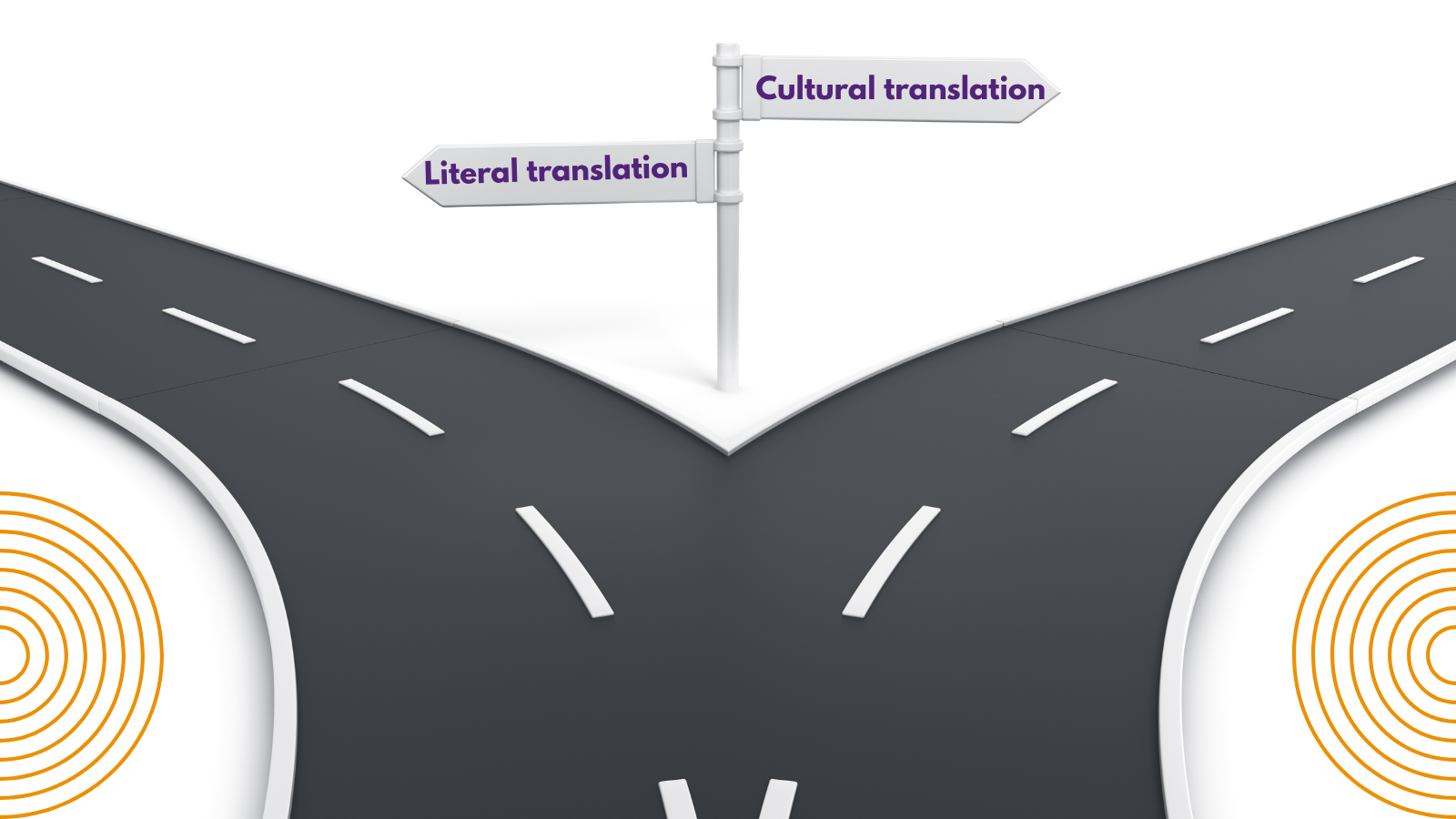
When people think about translation, they often imagine a simple process; converting words from one language into another. In reality, effective translation is far more complex. Language is deeply connected to culture, context, humour and social norms. Translating words alone does not always communicate the intended meaning. This is where the distinction between literal translation and cultural translation becomes important.
Understanding the difference can determine whether communication is clear, confusing or even offensive.
What is literal translation?
Literal translation is the process of translating text word for word, keeping the structure and vocabulary as close as possible to the original language.
This method focuses on linguistic accuracy but does not always consider cultural meaning or context.
Literal translation can work well in situations such as:
Technical documentation
Scientific writing
Legal texts
Product specifications
In these cases, precision and consistency are essential, and the language is usually straightforward and objective.
However, literal translation can cause problems when language contains idioms, humour, cultural references or informal expressions.
For example, the English phrase “break a leg” is commonly used to wish someone good luck before a performance. A literal translation into another language might suggest physical injury rather than encouragement.
Without cultural context, the meaning is lost. Professional interpreters navigate the unspoken in interpreting appointments.
What is cultural translation?
Cultural translation focuses on communicating the intended meaning rather than the exact wording.
Instead of translating each word directly, translators adapt the message so it makes sense within the cultural and linguistic context of the target audience.
This approach often involves:
Adapting idioms or expressions
Adjusting humour or tone
Replacing cultural references
Considering social norms and sensitivities
The goal is to ensure the message feels natural, relevant and understandable to the audience which requires skilled interpreters.
For exampe, if a marketing campaign uses a sports metaphor that only makes sense in one country, a cultural translation may replace it with a different metaphor that resonates better with the target audience.
Why cultural translation really matters
In global communication, simply translating words is rarely enough. Businesses, organisations and public services increasingly communicate across multiple cultures and languages. Without cultural awareness, messages can easily be misunderstood. There are several reasons why cultural translation is important.
Avoiding miscommunication
Direct translations can unintentionally create confusion. Idioms, slang and informal language often do not exist in other languages. A culturally adapted translation ensures the meaning is clear.
Protecting brand reputation
In marketing and advertising, poorly translated slogans or product names can damage a brand’s credibility. Cultural translation helps ensure messaging resonates positively with the target audience.
Respecting cultural differences
Every culture has different values, customs and sensitivities. Translators with cultural knowledge can identify phrases or references that might be inappropriate or misunderstood.
Improving audience engagement
Content that feels natural and culturally relevant is far more engaging than text that appears translated or unnatural. This is especially important in digital marketing, social media and global campaigns.
Literal versus cultural translation in practice
In practice, professional translators often use a combination of both approaches. Technical content may require a more literal approach to maintain accuracy, while marketing, education and creative content often require cultural adaptation.
For example:
- A legal contract may prioritise precise wording.
- A website or advertisement may prioritise cultural relevance and readability.
- The skill of a professional translator lies in knowing when to translate directly and when to adapt the message.
The role of professional translators
Translation is not simply replacing one word with another. It requires linguistic expertise, cultural understanding and contextual judgement.
Professional translators consider not only the language being used but also the audience, purpose and cultural environment in which the message will be received.
By combining linguistic accuracy with cultural awareness, translators ensure communication remains clear, meaningful and effective across languages.
Are you interested in translation and interpreting services and seek to partner with a trusted LSP? Contact our friendly team today! info@silent-sounds.co.uk
Further reading:
Master close and wide listening to improve interpreter skills