Marking International Day of Sign Languages 2026 with RVU in Cardiff
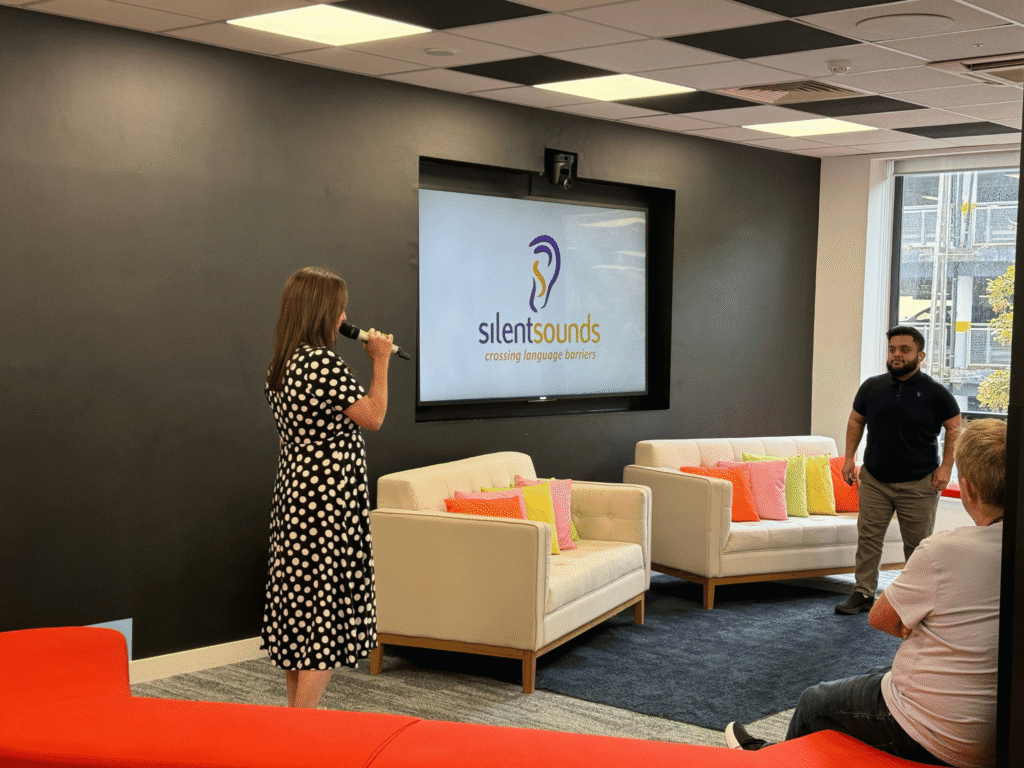
To mark the International Day of Sign Languages, also widely referred to as International Sign Language Day, our team at Silent Sounds was delighted to be invited to speak and collaborate at RVU’s BAME Employee Resource Group (ERG) disability event on 22nd September, hosted at its Cardiff office.
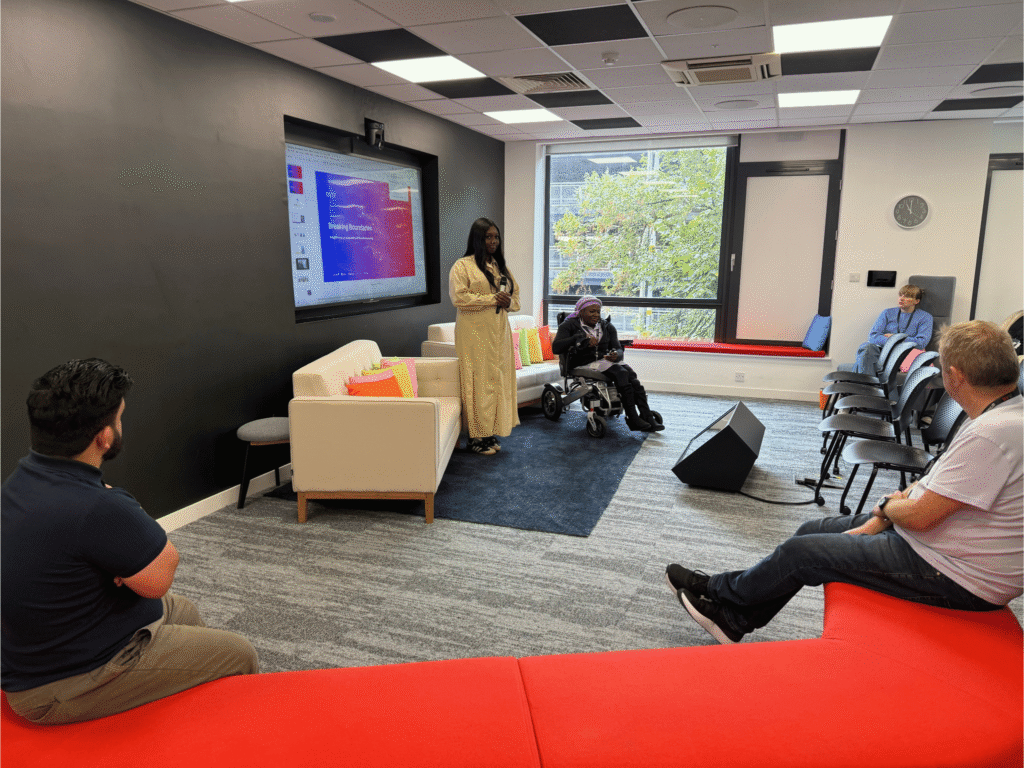
With an engaged audience attending both in person and virtually, the event provided a valuable opportunity to share the importance of everyday communication with Deaf people, explore Deaf awareness, cultural awareness, intersectionality and the importance of creating workplaces where everyone has the opportunity to thrive. As part of our ongoing commitment to social value, we were particularly keen to contribute our professional expertise and lived experience to raise awareness of double marginalisation and the challenges faced by individuals whose identities intersect across disability, ethnicity, culture and faith.
Osman’s story: A journey of resilience, identity and belonging
At the heart of our session was Osman Hussain, who leads Deaf awareness workshops at Silent Sounds. Osman shared his remarkable personal journey, from losing his hearing at the age of four and undergoing numerous painful and debilitating surgeries associated with achondroplasia, to navigating education, cultural expectations and the challenges of growing up Deaf within his Pakistani community.
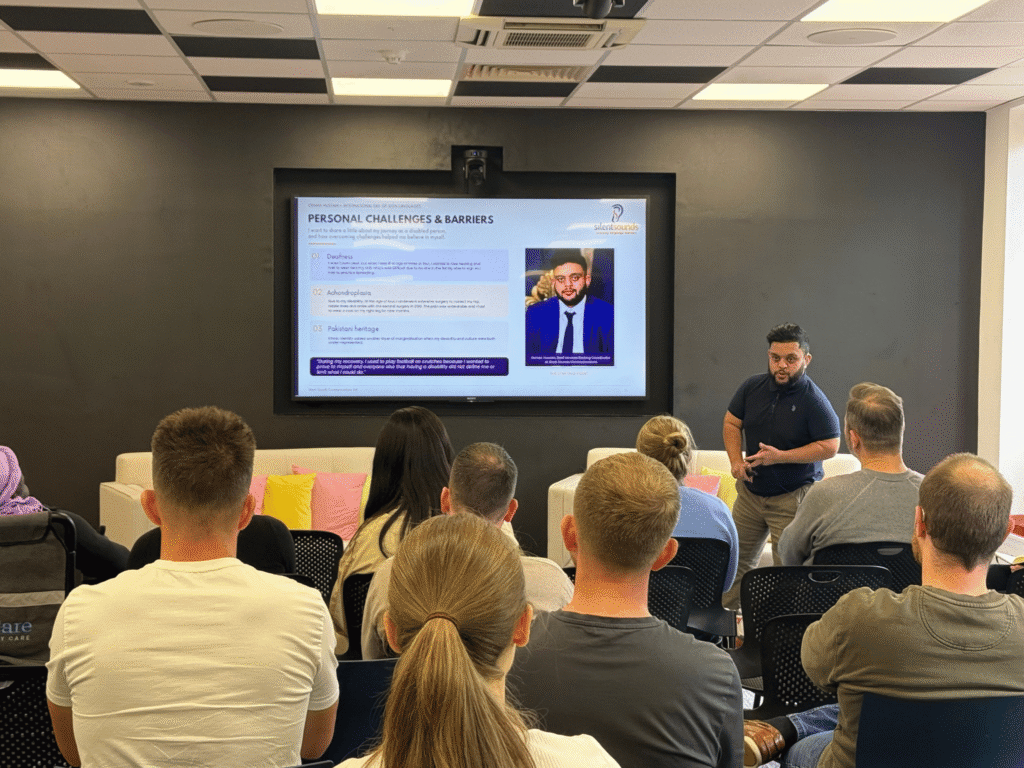
Achondroplasia was a largely unfamiliar disability within his community. However, Osman’s Pakistani heritage and strong family support network played an important role in shaping his identity and providing the foundations for his personal development. He spoke openly about his journey towards building self-confidence and self-belief, his passion for sport and the extraordinary opportunity to carry the Paralympic torch during the London 2012 Games. Another pivotal moment came five years ago, when Silent Sounds entrusted him with new professional responsibilities. That opportunity provided more than employment, it offered a sense of belonging, purpose and the confidence to recognise his own potential. Today, Osman continues to receive recognition within the language services industry, having recently been named a finalist for Young Professional of the Year at the 2026 ATC Awards, taking place this October.
His experiences brought an important psychological concept into focus: Maslow’s hierarchy of needs. Before individuals can realise their full potential, they need foundations such as safety, belonging, esteem and opportunities for personal growth. Osman’s story demonstrated how the right support, trust and environment can help individuals develop the confidence to pursue their ambitions.
His key message to the audience was: “Don’t let your disability or self-doubt decide what you can achieve. Challenge yourself, believe in yourself, and find the right environment where you can thrive and succeed.”
Deaf Awareness: Moving beyond assumptions
Following Osman’s presentation, an engaging audience Q&A opened up some valuable conversations about Deaf awareness and workplace inclusion.
One particularly thought-provoking question was: How can RVU better support Deaf and hard-of-hearing employees without placing them in the spotlight? We discussed the importance of recognising Deaf identity, celebrating Deaf culture and creating an environment where accessibility is embedded in everyday working practices rather than treated as an exception. While many Deaf individuals are proud of their identity and welcome opportunities to celebrate Deaf awareness, inclusion should always respect individual preferences. Employees should have the opportunity to decide how, when and whether they wish to share their experiences.
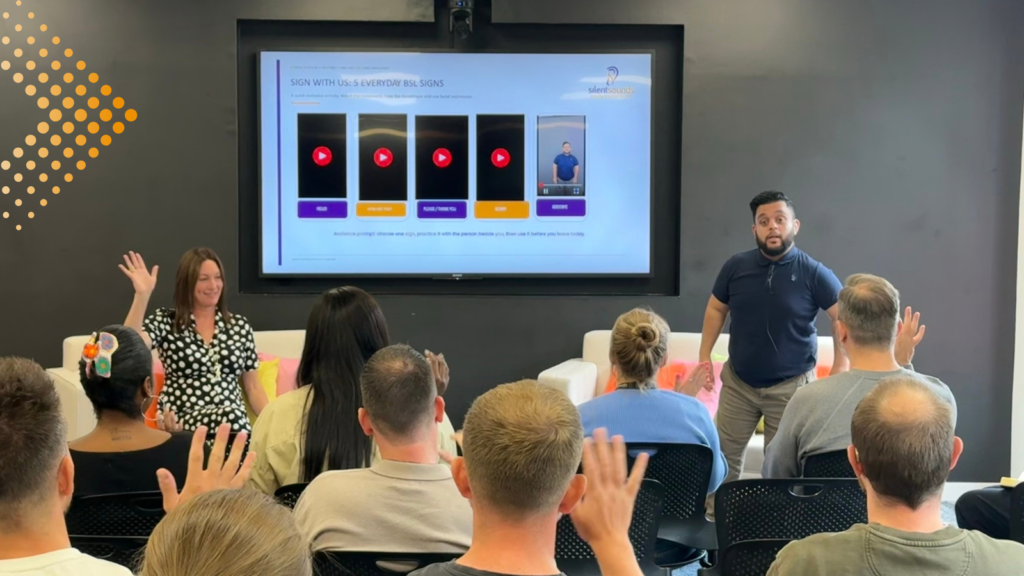
Another question explored whether British Sign Language (BSL) and American Sign Language (ASL) are the same. This gave us an opportunity to explain that BSL and ASL are distinct languages, each with their own grammar, vocabulary and linguistic structures. ASL uses a predominantly one-handed fingerspelling alphabet, whereas BSL uses a two-handed alphabet. We joked that ASL might have been the more practical choice for anyone holding a handheld microphone! Thankfully, Osman had a clip-on microphone, leaving both hands free to sign. A small but fitting reminder that accessibility sometimes starts with something as simple as choosing the right equipment! We also explored the regional variations and dialects within BSL, demonstrating how signs can differ across parts of the UK.
To highlight the importance of professional communication support, we shared a short film illustrating the potential consequences of relying on family members to interpret during sensitive, confidential or high-stakes conversations. The film reinforced why access to appropriately qualified professional interpreters is so important, particularly in healthcare and other settings where accuracy, impartiality and confidentiality are essential. We then brought some energy and interaction into the session by inviting attendees to learn basic BSL signs and practise fingerspelling their names to one another. It was an opportunity to experience an unfamiliar form of communication, challenge assumptions and recognise that meaningful inclusion often begins with curiosity and a willingness to learn.
Cultural awareness: Understanding the intersection of disability, ethnicity and faith
Building on Osman’s personal experiences, Michelle led the final part of our session, exploring cultural awareness and cultural competence in the workplace. Osman’s story provided a powerful example of why inclusion cannot be approached through a single lens. Our identities are shaped by multiple, interconnected factors, including disability, ethnicity, culture, religion, family and lived experience. For individuals who experience double marginalisation, these intersections can create additional barriers to participation, opportunity and belonging. Across communities worldwide, individuals and families whose identities intersect with disability, ethnicity and deeply held cultural or religious beliefs can encounter both implicit and explicit discrimination. These experiences can have lasting consequences for confidence, personal development and access to opportunities. Recognising intersectionality means understanding that people cannot be defined by just one aspect of their identity.
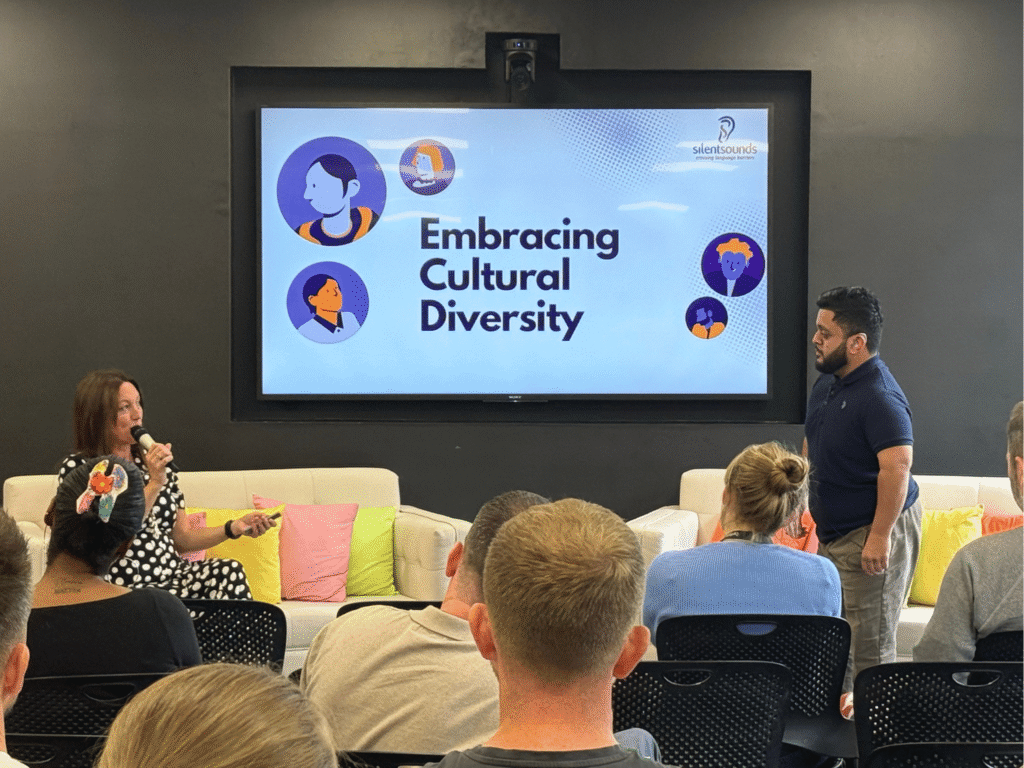
But what does this mean in practice?
We explored how culture influences both spoken and non-spoken communication, including attitudes towards authority, decision-making, relationships, time and individual responsibility. Michelle introduced practical resources, including the Country Comparison Tool, which examines cultural dimensions such as power distance, individualism, long-term orientation and indulgence. We also explored high-context and low-context communication, highlighting how meaning can be conveyed differently through words, tone, body language, relationships and shared cultural understanding. These frameworks can provide useful starting points for understanding cultural differences, but they should never be used to stereotype individuals or make assumptions based on nationality, ethnicity or religion.
True cultural awareness begins with recognising that we all have assumptions. The challenge is learning to question them.
Through curiosity, reflection and meaningful experiences, we can develop greater cultural competence and adapt our communication to meet the needs of others.
Why cultural awareness matters in the workplace
Diversity brings different perspectives, experiences and ideas into an organisation. Cultural awareness helps us understand those differences and use them to strengthen collaboration, build empathy and improve problem-solving. For organisations, cultural competence is also an important component of effective risk management. Misunderstandings arising from cultural assumptions or communication barriers can affect employee relationships, decision-making, service delivery and, in some circumstances, safeguarding. We encouraged attendees to think before interacting, allow intentional pauses for reflection, ask questions rather than make assumptions and create safe environments where people feel comfortable expressing their needs. Above all, we emphasised the importance of remaining curious.
Cultural awareness is not about knowing everything about every culture. It is about recognising what we do not know and being willing to listen, learn and adapt.
Turning awareness into meaningful social value
For Silent Sounds, events like this reflect our wider commitment to delivering meaningful social value beyond our core language services. Our work is not simply about facilitating communication. It is about helping remove barriers, challenging misconceptions, promoting equal opportunities and empowering individuals and communities who may otherwise experience exclusion. By sharing lived experiences, delivering Deaf awareness training and encouraging greater cultural understanding, we hope to contribute to workplaces and communities where differences are respected and individuals feel confident expressing their identities.
As we marked the International Day of Sign Languages, our message was clear:
Inclusion cannot be approached through a single lens. It requires us to recognise the whole person, challenge our assumptions and create environments where everyone has the opportunity to belong, contribute and succeed.
Our sincere thanks to RVU, its BAME Employee Resource Group and everyone who joined us in Cardiff and online for the invitation, thoughtful questions and active participation.
We look forward to continuing these conversations and supporting organisations in turning Deaf awareness and cultural awareness into meaningful, lasting change.
Because awareness is the starting point. Meaningful inclusion is the outcome.
Are you seeking to partner with one of the UK’s leading language service providers that goes above and beyond delivering language solutions?
Get in touch to discover how we can work together to make a lasting difference. Email: info@silent-sounds.co.uk
Articles of interest:
Understanding tupes of signs in British Sign Language